


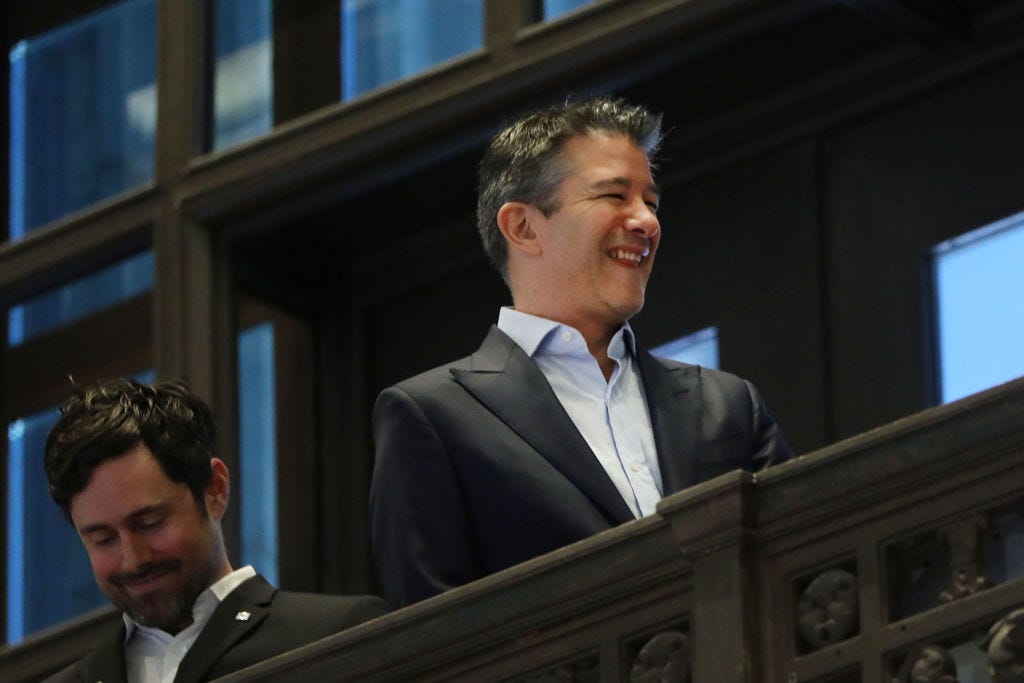
A couple of years ago, Uber co-founder and former CEO Travis Kalanick gave a keynote speech at a niche industry conference called Food on Demand in Las Vegas. It was among the first public appearances from the executive in his role as CEO of CloudKitchens, a real estate and ghost kitchen company converting warehouse spaces into commissary kitchens for restaurants building delivery-only concepts, a business that was once predicted to reach a $1 trillion by 20301. In front of an eager audience, Kalanick laid out his growth and automation plans for the restaurant-adjacent company, invoking, as he is wont to do, Uber’s success.
“Can you do to the kitchen what Uber did to the car?” he rhetorically asked the audience. That was his plan, he said, for CloudKitchens and its associated companies, a robotics business called Lab37, restaurant operations platform Otter, and Picnic, an office catering platform. Together, these initiatives become, per Kalanick, “infrastructure for better food.”
But CloudKitchens was never a restaurant company… and, spoiler alert, it wasn’t about the food, either. It was a huge, expensive bet on disrupting the restaurant industry by force and scale backed by over a billion dollars in investment; a familiar playbook in early 2000s tech. The trouble is, it didn’t work. CloudKitchens operated in a kind of permanent stealth mode, its secrecy hiding complaints, stumbles, and struggles common to tech-forward “restaurant” companies trying to scale food like software.
Last week, Kalanick said he would roll CloudKitchens into a new venture called Atoms, adding automation in transportation and, of all things, mining, into its portfolio, alongside all the restaurant stuff. “It’s not entirely clear how he plans to tackle mining and transportation,” TechCrunch reported after the announcement. Honestly, it’s not all that clear how the company, 10 years in, plans to tackle food, either.